This is a tale. Monsieur Lacroix and his shop are imagined, but the folk belief in citrine as "the merchant's stone," and its true history, are real.
In the year 1890, on a narrow street in the French Quarter not far from where our shop stands today, there was a little dry-goods store with green shutters and a brass bell over the door. It belonged to an old man named Monsieur Lacroix.
His store was always busy. Ladies came for lace and ribbon, sailors for tobacco and string, children for peppermint sticks. And every evening, when the last customer had gone and the gas lamps were lit along the street, Monsieur Lacroix opened his cash drawer and did something very strange.
He would pick up a small golden stone that he kept tucked in the corner of the drawer, hold it up to the lamp, and say: "Merci, mon ami."
The Golden Stone
His grandson Henri, who swept the floors after school, finally asked him about it.
"Grand-père, why do you talk to a rock?"
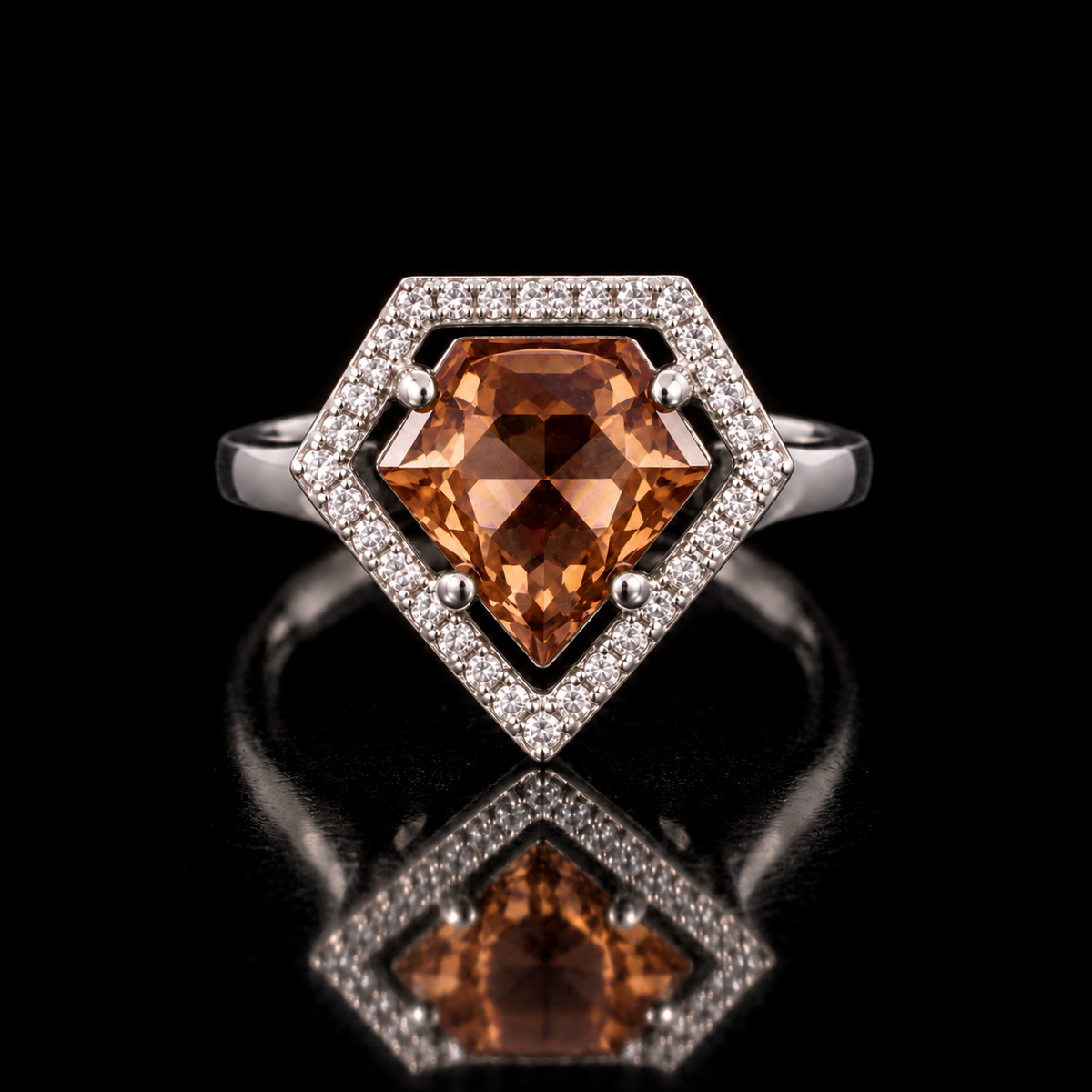
Monsieur Lacroix laughed and put the stone in Henri's palm. It was clear and golden, like honey held up to a window, warm and cheerful even in the lamplight.
"This is a citrine," he said. "The name comes from citron, the French word for lemon, because of its color. And it is the merchant's stone."
"What does that mean?"
The Merchant's Stone
"When I was a young man, newly arrived in this city with nothing but one suitcase, an old peddler at the French Market gave me this stone. He told me: Keep it where you keep your money, and your money will grow. It brings sunshine to a shop, and customers love sunshine.
"I didn't believe him. But I had nothing to lose. So I put it in my cash drawer. And forty years later, here we are."
Henri looked around at the busy shelves and the shining counter.
"So the stone made you rich?"
His grandfather laughed again, louder this time.
"No, Henri. Hard work made me comfortable. But every morning, when I opened that drawer and saw that little piece of sunshine, it reminded me to smile at my customers. To be generous. To be honest. And people come back to a man like that." He tapped the stone. "That's the real magic of the merchant's stone."
Passing It On
Many years later, Henri opened a little shop of his own. On the very first morning, before he unlocked the door, he tucked a small golden stone into the corner of his cash drawer.
"Merci, mon ami," he whispered. And then he smiled, and turned the sign to Open.
The Legend and the Truth
In folk tradition, citrine is often called "the merchant's stone" and kept in cash boxes and registers in the hope of bringing success and prosperity. Its name comes from the French citron, meaning lemon.
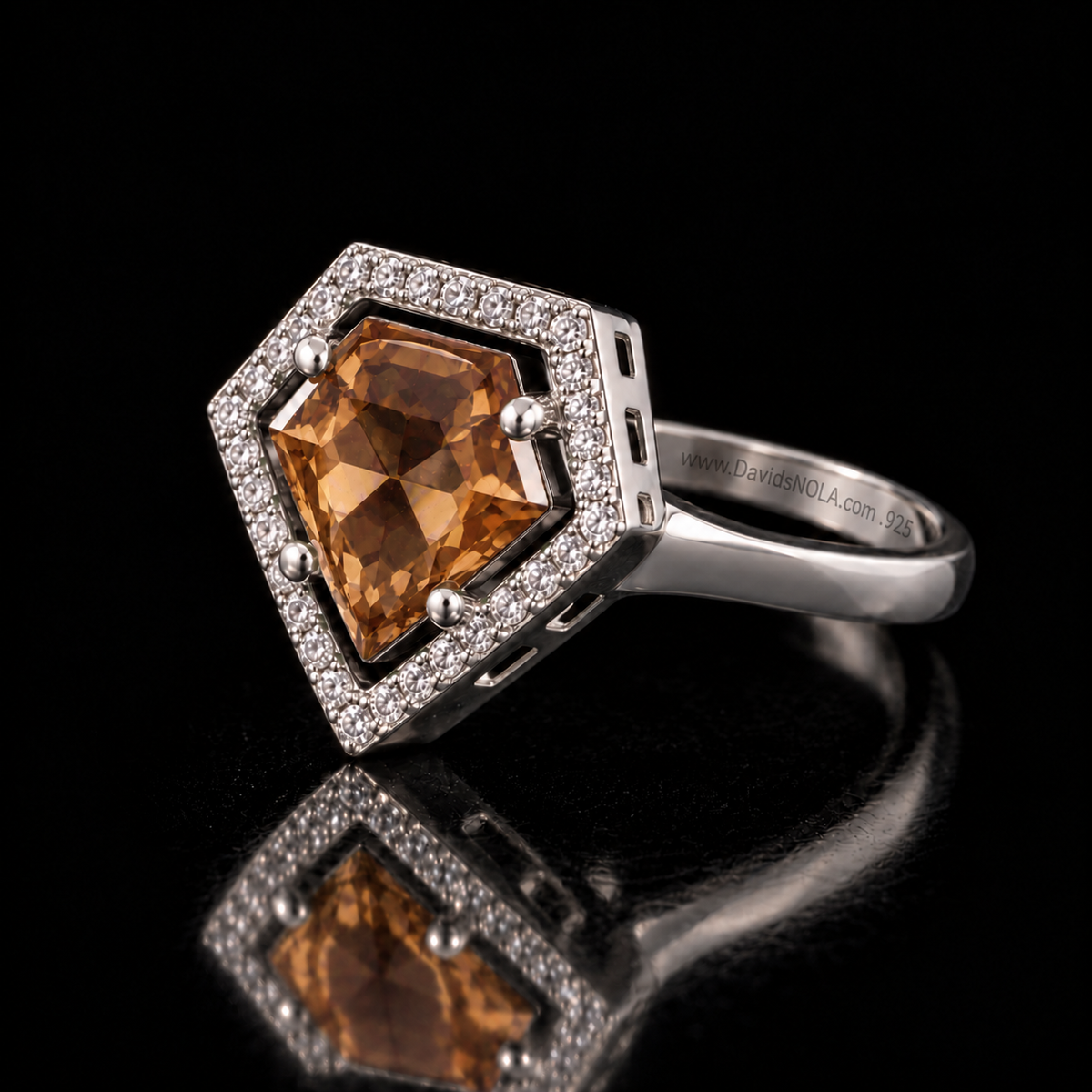
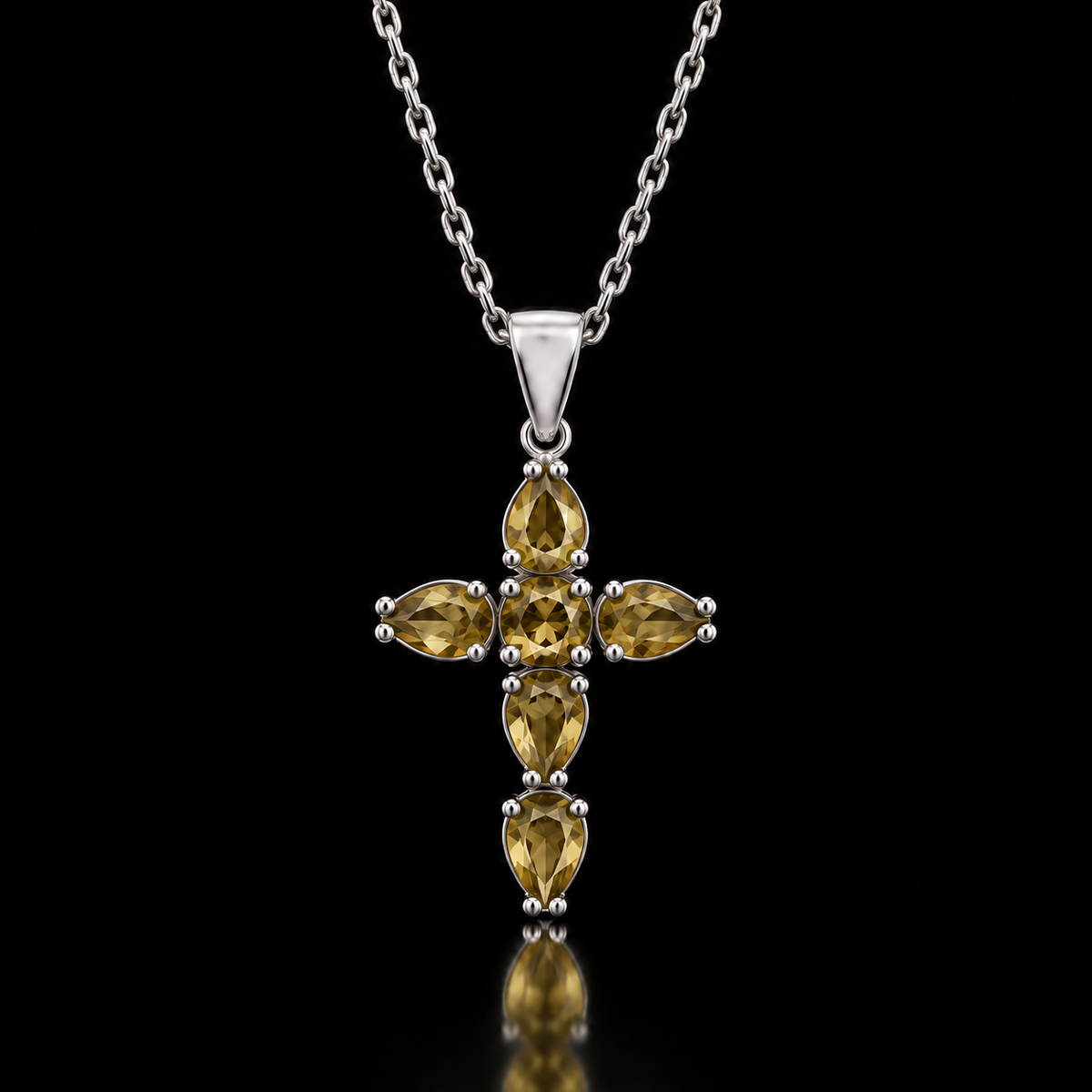
Citrine is a yellow to golden-orange variety of quartz. Natural citrine is fairly rare, and much of the citrine sold today is amethyst that has been heated to turn it golden. For centuries it was also often sold under misleading names like "Scotch topaz" or "Madeira topaz," and it was a favorite in Victorian Scottish jewelry and in the bold cocktail rings of the 1930s and '40s. Today citrine is a November birthstone and the traditional gift for a 13th anniversary.
💡 Read more about citrine's history in The Legends of Citrine.
🛍️ Bring Home a Little Sunshine
Explore vintage and antique citrine jewelry at 322 Royal Street or online.